
These are some high level points I’ll be making at a talk I’m giving in Cambridge next month. It’s about self confidence, anxiety and the weirdness of our times. It’s also based on conversations I have with the 8 or 9 young designers I speak to regularly.
A career in design is uncertain by definition. If an industry can’t agree on a definition of itself, I don’t think you can expect it to provide you with a clear career path. I studied when everyone was going on about Flash/Dreamweaver and then did my Masters while Flickr and Wikipedia had launched. One of my first freelance gigs was doing some UX work for a competitor to Twitter and interning at an agency which was soon acquired by WPP. I think that set the tone for me and as the industry solidified, I just kept moving around. The solidification was temporary, perhaps about 10-12 years (between 2011 and 2023?) Then the post-pandemic layoffs started. 10 years is enough for an entire cohort of people to study, graduate and start in an industry under temporarily stable circumstances. It’s long enough for people to make life plans. So for many, AI is their first big industry shift. What do you do then? What response type to you fall back on? The answer will vary wildly but I suspect it will have something to do with your understanding of your role and your skills as both variable and the product of a time and a place. The design industry is mostly made up of micro SMEs and will constantly reward agility and flexibility over consistency in my experience. It’s not for everyone.
Are you in design to fix things or to fix yourself? This is something I’ve been thinking about for years. I think design can allow for a constant deployment of an overactive saviour complex. I’ve had conversations with people so burnt out by their desire to be helpful and contribute in a positive way as to become very difficult to collaborate with. I always think of Ben’s ‘Hold it lightly‘ when I have conversations with those designers and try to find out what’s going on outside of the project. Something usually is. The best designers I know are people who have rich lives outside of work and bring that sunshine into their work, but they leave on time, have boundaries, probably don’t think about projects in the evenings and take long and frequent holidays. They’re good because they know their place and their place isn’t doing everything, everywhere, all at once. That’s for early stage tech founders, not for designers.
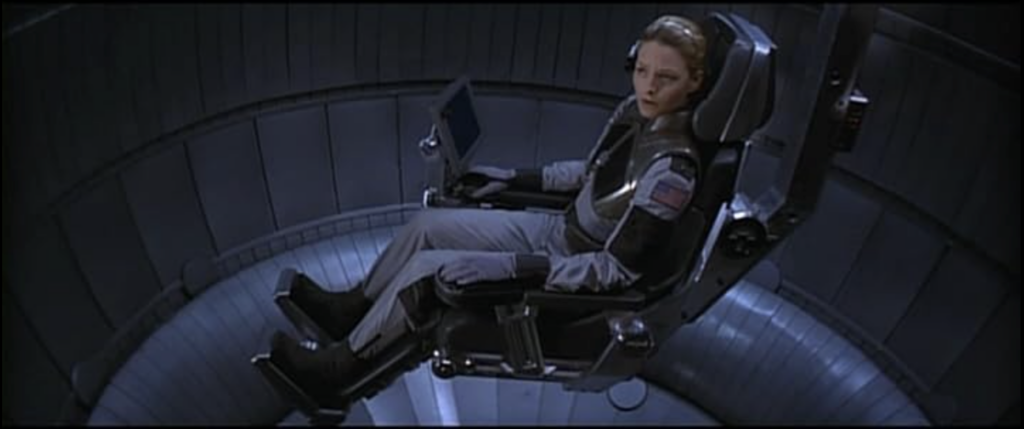
Process as a safety blanket. There’s a lot of uncertainty in design. For any and every project there is a budget, a political dynamic at play and a collection of actors trying to work together. I’ve noticed designers needing certainty to emerge before they can move forward. I’ve worked with people who absolutely needed to know why things were happening at every turn in order to mind-map their way through the next steps. They were also tightly wrapped around their process and methods. It reminds me of working with engineers. I think it’s coming from a place of anxiety around risk-taking that is relatively new. Rarely, unless you’re working on live services for a bank, a hospital, or Formula 1 will there be huge risks involved in taking a step into the unknown as a team. There’s probably lots of ways to row back, to retreat, to gather round and reflect. It’s relatively safe. But it feels very unsafe to many and I think about that a lot. There’s no such thing as a completely happy and successful project. The only thing you can strive for is to make sure nobody cries and that there’s a group booking at a pub nearby when the milestone is reached. Everything else is risky. Process is like that chair that was designed for Jodie Foster in Contact. It’s nice but it ties you down too much.
Anyway, I will probably think of more things but wanted to jot this down. I hope you come along, especially if you disagree. Otherwise, drop me a note in the comments!
Discover more from designswarm {thoughts}
Subscribe to get the latest posts sent to your email.